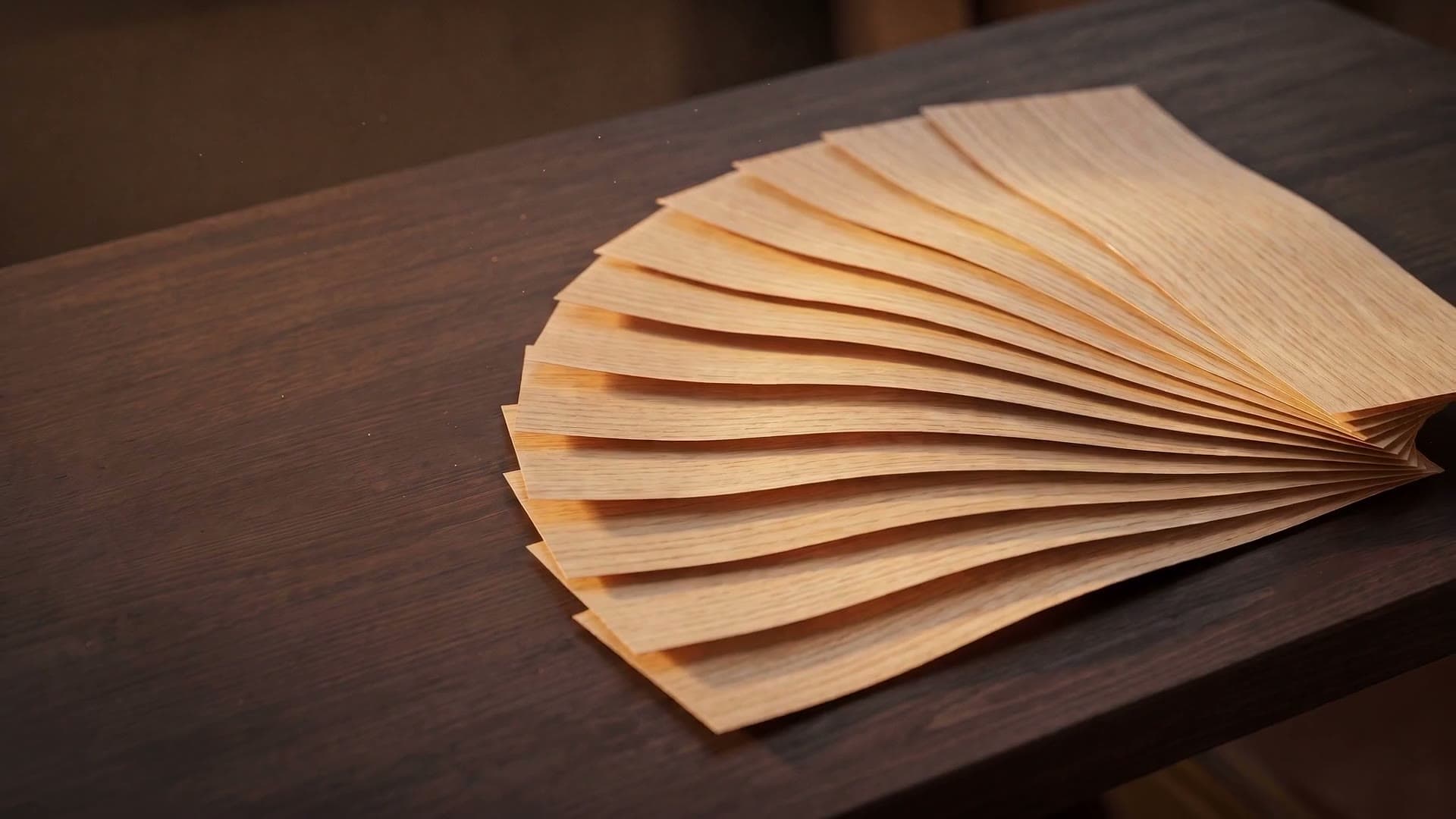

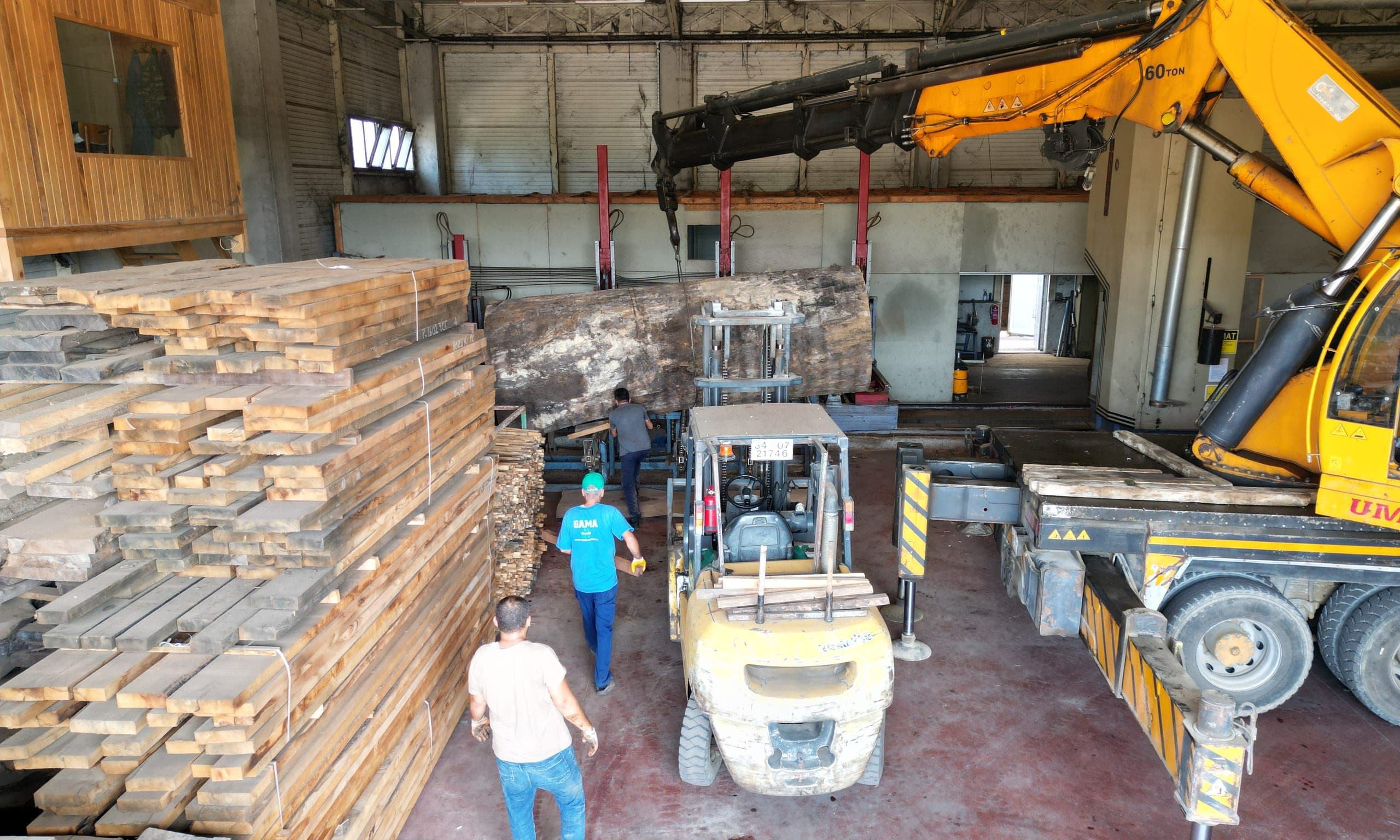
A lumber grade describes how the boards in a batch look and how much clear, usable surface they give. Even within one species, knots, checks, colour variation and edge defects change from grade to grade. Choosing the right grade affects both your budget and your yield.
Four grades
Nativu supplies lumber in four grades:
- 1st class: Boards with the fewest defects and the most clear surface. Preferred for visible faces, quality furniture and joinery.
- 2nd class: Carries a limited number of natural defects. Efficient when the defective sections are cut out.
- 3rd class: A higher share of defects. Suits hidden parts, short cuttings and economical work.
- Mix (1-2-3): A batch in which the three grades are supplied together. It balances cost and quality when different parts go into the same job.
How to choose
Start with where the part will be used. For visible surfaces choose 1st class; for work that will be cut and sorted, 2nd class; for hidden or short parts, 3rd class is often enough. If your parts are short, a lower grade can still give a high yield.
Walnut: edged and unedged
We supply walnut lumber edged and unedged. Unedged boards keep the natural edge of the tree, which suits special designs and gives the widest possible surface. Both forms come in the same grades.
When you request a quote
Tell us the species, grade, thickness and approximate quantity. We give prices and current availability by phone.